Process

From the Amazon rainforest to the world

Our process, step by step

13 stages of careful work turn freshly harvested in-shell Brazil nuts into an export product meeting the highest quality and safety standards.

13 controlled stages 100% metal-detected UV aflatoxin inspection

1

Intake

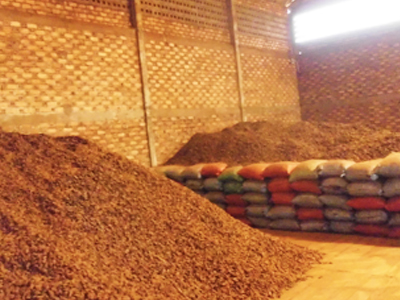
Raw material enters the plant under strict control

Recepción de materia prima Quality Control

Raw Material Intake and Quality Control

The lot is weighed and a quality check (called cut): a representative sample of the incoming lot is taken to determine the percentage of rotten or hollow in-shell nuts.

Lots with a cut rate above 20% are rejected
2

Preparation

Drying, Polishing, and Sizing

Cilindrado 12 h – 20 h

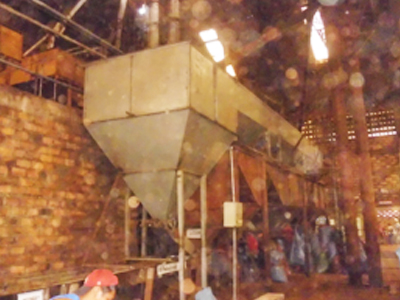
Drum Polishing (Cilindrado)

Incoming moisture (20% to 30%) is measured, and the nuts undergo shell drying and polishing, producing drum-processed raw material (MPC) with 14% to 18% moisture and a clean shell. At the outlet, nuts with shells darkened by internal oil migration are separated out.

Moisture: from 20–30% to 14–18%

Clasificado de MPC By Size

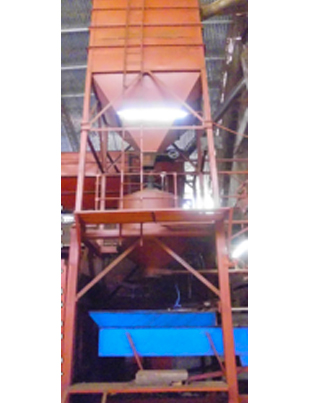
MPC Sorting

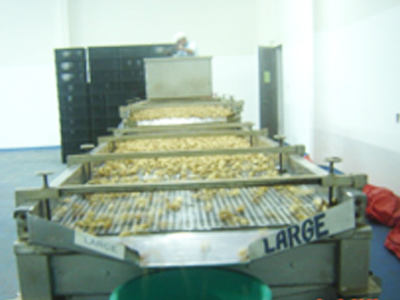
Using a Dromer and a horizontal screen sorter, sizes are separated by caliber — Large, Medium, Midget and Tiny — enabling uniform cracking and dehydration afterward.

3

Shelling and Sorting

The shell comes loose and each kernel is inspected

Autoclave / sancochado Pressurized Steam

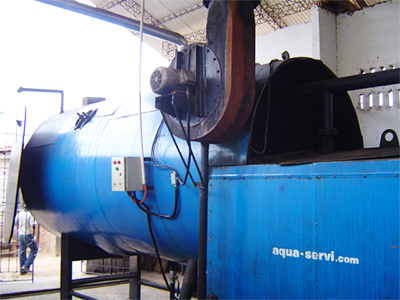
Autoclave (Parboiling)

The MPC is subjected to 45–50 kgf/cm² of steam pressure for 45 to 60 seconds, purged, and given a second 40-second steam injection. It is then cooled with room-temperature water in the same autoclave. The whole process is designed to loosen the shell from the kernel.

Quebrado manual 50% Manual

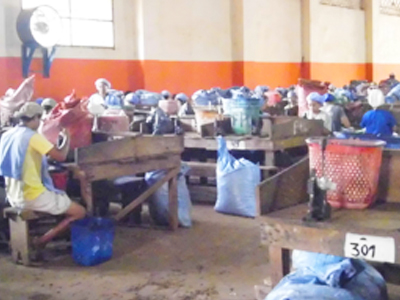
Manual Cracking and Sorting

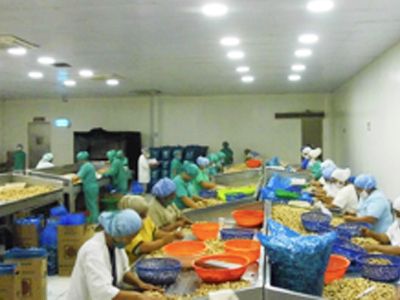
50% of production is cracked by hand, and the rest by automatic machines. After separating shell from kernel, whole kernels, kernels with dark spots (chía), and rotten kernels are sorted out.

Revisado de almendra pelada Manual Inspection

Shelled Nut Inspection

Plant staff inspect the whole nuts. If a certain number of chía (spotted) nuts turn up, the entire lot goes back to the crackers for re-inspection. Broken nut pieces (broken) resulting from trimming away chía spots are also inspected.

Cámara de luz ultravioleta UVC Rays

Ultraviolet Chamber Inspection

Taking advantage of the fact that aflatoxins fluoresce under UVC light, contaminated kernels are identified and removed.

A key food safety barrier

4

Quality and Dispatch

Final sorting, dehydration, and vacuum packaging

Clasificado automático Screen Sorter

Automatic Sorting (Screen)

Top-grade nuts are automatically sorted by size, Large, Medium and Midget, also removing part of the chala (thin skin attached to the kernel).

Deshidratado en hornos 60–80 °C

Dehydration (Ovens)

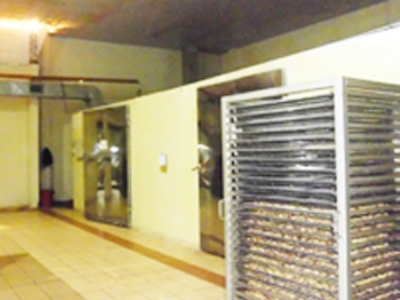
The nuts are dehydrated from 16–18% moisture down to 2.5–3.5%, using air at 60°C to 80°C for 12 to 20 hours.

Final moisture: 2.5% – 3.5%

Revisado final Stainless Steel

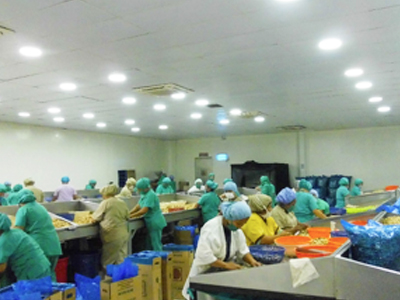
Final Inspection

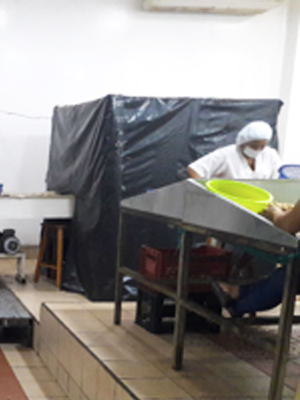
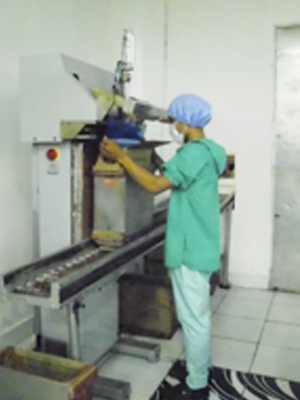
On stainless steel tables, the nuts are manually inspected, Large, Medium and Midget, separating the Chipped, Broken and chips.

Envasado al vacío Vacuum-Sealed

Packaging, Boxing and Sealing

The nuts are packed in food-grade plastic bags, boxed in corrugated cardboard, and the bags are vacuum-sealed.

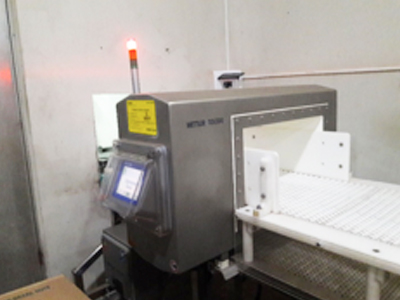
Detector de metales 100% of Production

Metal Detector Inspection

This continuously calibrated equipment inspects 100% of production, detecting all types of metal.

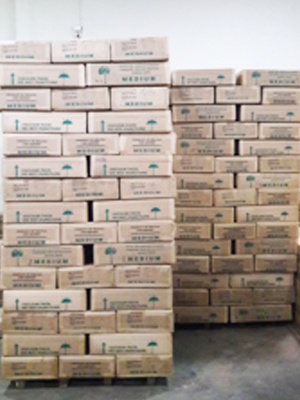
Almacenado de producto terminado Good Storage Practices

Finished Product Storage

Following good storage practices, the boxes are stacked in batches of 10 to 15 units, with a final inspection of the vacuum seal.

The result: export-grade Amazonian Brazil nuts

Explore the sizes and presentations that come out of this process, or write to us for a quote on your order.

View Products and Sizes Contact Us